
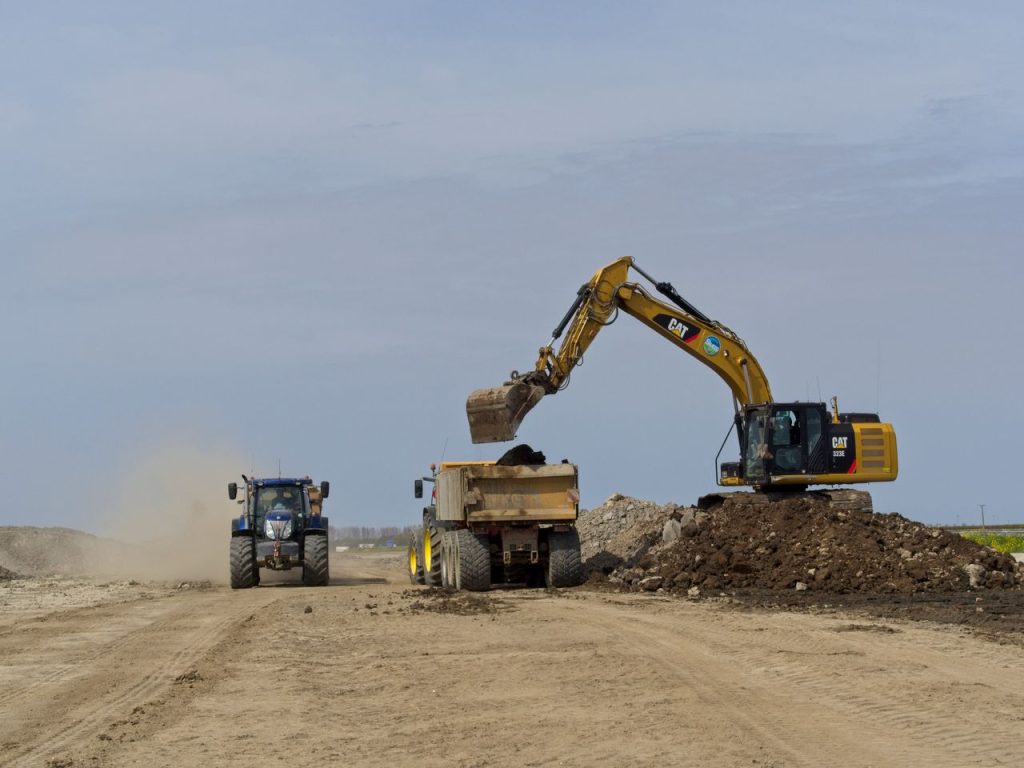
How Much Does It Cost to Move or Dispose of Fill Dirt in Australia? (2026 Guide)
Moving or disposing of fill dirt in Australia typically costs between $20 and $220 per tonne at the tip, plus cartage. The final figure depends on your state, how clean the material is, and how far it has to travel. The cheapest option is almost always to send your fill to a nearby site that actually wants it — which avoids tip fees altogether.
If you’ve just dug out a pool, a shed pad or a driveway, you’re left with one expensive problem: what to do with the dirt. Below is a plain-English breakdown of what it really costs to get rid of fill material in 2026, and where most of the money goes.
The three costs that make up your total
Disposing of fill isn’t one single fee. Your total bill is usually made up of three separate parts:
- Tip / disposal fees — what the receiving site charges you to take the material, usually priced per tonne.
- Cartage (trucking) — the cost of the truck and driver to haul it, usually priced per hour or per load and heavily affected by distance.
- Loading — the excavator or loader time to get the material into the truck (often already covered if you have machinery on site).
Typical tip and disposal fees
Disposal fees vary widely by state and by how clean the material is. As a rough 2026 guide for clean, natural fill:
| Material type | Typical disposal cost |
|---|---|
| Clean fill / VENM (natural soil, clay, rock, sand) | $20 – $60 per tonne in most regions; can reach $200+ per tonne in metro Sydney |
| Mixed or lightly contaminated soil | $80 – $250+ per tonne (licensed facility only) |
| Contaminated soil | $250 – $500+ per tonne (specialist facility, testing required) |
The takeaway: the cleaner your material, the cheaper it is to move. Soil that gets mixed with concrete, timber, plastic or rubbish jumps into a far more expensive disposal category.
Typical cartage costs
Trucking is the part most people underestimate. A few rough figures:
- Truck and driver: roughly $120 – $180 per hour for a standard tipper.
- Per load: a tandem tipper carries around 6–10 tonnes; a truck-and-dog can carry 20+ tonnes.
- Distance is everything: a tip 5 minutes away versus 45 minutes away can double or triple your trucking bill, because the truck spends most of its time driving, not tipping.
A worked example
Say you have 30 tonnes of clean fill to remove:
| Item | Estimate |
|---|---|
| Disposal at $40/tonne | $1,200 |
| Cartage (4 loads, ~1 hr each at $150) | $600 |
| Approximate total | $1,800 |
Now imagine a site 5 minutes down the road actually wants that same clean fill. You skip the tip fee entirely and only pay for the short trip — potentially saving over $1,000 on this one job.
How to bring the cost down
- Keep your fill clean. Don’t let soil get mixed with building waste — it’s the single biggest cost multiplier.
- Find a closer destination. Cartage is driven by distance, so a nearby site beats a cheaper tip that’s an hour away.
- Match with a site that needs it. When someone nearby needs fill, your “waste” becomes their free material — and you both avoid tip fees.
Frequently asked questions
Is it cheaper to give fill away than to dump it?
Almost always, yes. Giving clean fill to a nearby site removes the tip fee, which is often the largest single line on your bill.
Why is clean fill so much cheaper to dispose of?
Clean fill (VENM) is 100% natural material with no man-made contaminants, so it can be reused on other sites. Once it’s mixed with anything man-made it has to go to a licensed facility, which costs far more.
How is fill priced — by tonne or by cubic metre?
Disposal is usually priced per tonne; cartage is usually priced per hour or per load. As a rough guide, one cubic metre of soil weighs around 1.5 tonnes.