
How a Direct, Verified Network Cuts Down on Dodgy Dumping
Most landowners who accept clean fill have the same quiet worry at the back of their mind: what if the dirt that turns up isn’t actually clean? Nobody wants a truck arriving with material that’s mixed with rubbish, building waste, or something that shouldn’t be in the ground. One bad load can turn a free favour into a real headache.
The good news is that a lot of that risk comes down to who you’re dealing with — and how you got connected to them in the first place. A proper, verified network changes the picture considerably. Here’s how dealing through a real system, with real operators, cuts down on dodgy dumping.
What “dodgy dumping” actually looks like
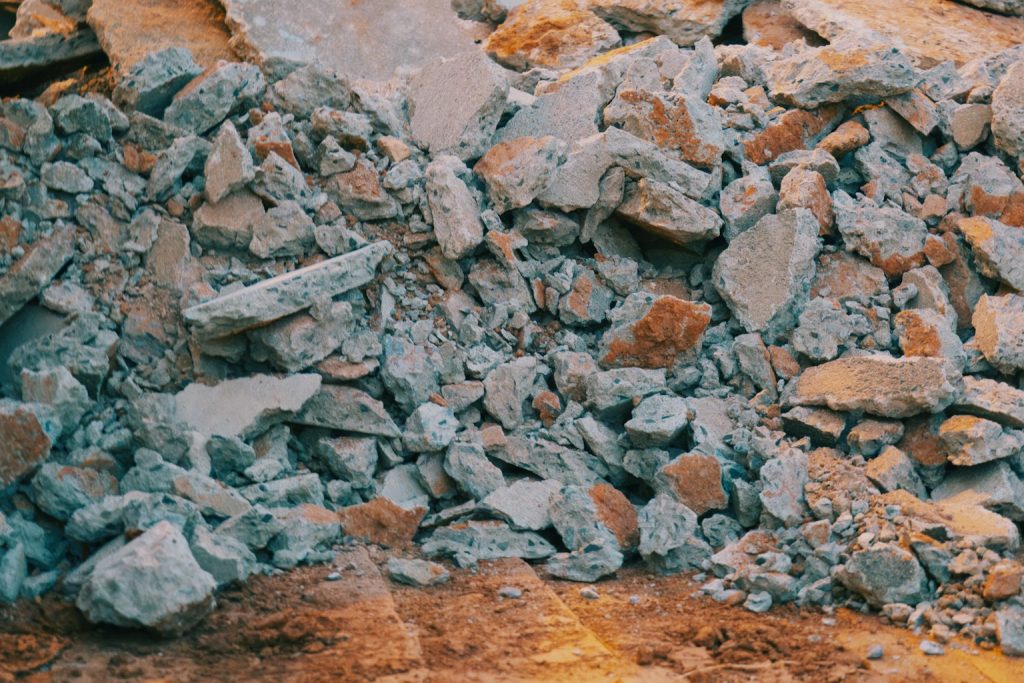
When people talk about dodgy dumping, they usually mean material turning up that isn’t what was promised. Instead of clean fill — plain dirt, sand, gravel, soil — you get loads with bits of concrete, timber, plastic, or other waste mixed through. Sometimes it’s careless, sometimes it’s someone trying to offload problem material cheaply by passing it off as clean.
For a landowner, the consequences are obvious. You’ve now got contaminated ground, a clean-up cost, and material you can’t easily use. The whole appeal of free fill — that it’s a no-cost win — disappears the moment the load is dirty. So the real question isn’t just “can I get free fill,” it’s “can I trust the fill I’m being offered.”
Why anonymous, ad-hoc deals carry more risk
A big chunk of the risk comes from how the connection happens. When fill gets arranged through a quick anonymous ad, a random number, or a stranger who can’t really be traced afterwards, there’s nothing keeping anyone honest. If a bad load turns up, the person who sent it has little reason to care — you’ll probably never deal with them again, and they know it.
That lack of accountability is the soil that dodgy dumping grows in. No name, no track record, no consequences. The people doing the right thing get tarred with the same brush as the few who aren’t, and cautious landowners end up turning away material they’d otherwise have been glad to take.
How a verified network changes the equation
Now picture the opposite: you’re connected to a contractor through a proper system where operators are verified and identifiable. Suddenly there’s accountability baked into the deal. The person sending the fill has a profile, a reputation, and an interest in keeping it clean — because they want to keep using the network and dealing with sites like yours.
A verified network helps in a few practical ways:
- You know who you’re dealing with. Operators aren’t anonymous, so there’s a real name and history behind each connection.
- Reputation matters. Contractors who want ongoing access have every reason to send clean, honest loads.
- Repeat relationships build trust. Dealing with the same reliable operators again beats rolling the dice on strangers each time.
- Your details stay safe. A proper system manages the connection, so you’re not broadcasting your contact details to all comers.
Trust runs both ways
It’s worth remembering the contractor wants confidence too. They want a site that will actually take their material when they show up, and a landowner who’ll be straightforward to deal with. When both sides are verified and dealing through a system, both can relax a little — the contractor isn’t worried about a wasted trip, and the landowner isn’t worried about a dirty load. That mutual confidence is exactly what makes more fill move directly and freely.
And because the contractor is already saving money by dropping nearby rather than paying to dump, there’s no need for fees to creep in between you. Keeping it free and keeping it clean go hand in hand — both sides come out ahead, and both have reason to keep the relationship honest.
Common sense still applies
A verified network stacks the odds heavily in your favour, but it doesn’t replace your own good judgement. It’s always sensible to be clear up front about what you’ll accept, to know roughly where the material is coming from, and to keep an eye on loads as they arrive. None of this is legal advice — it’s just the practical caution any landowner would sensibly apply. The point is that a proper system makes that caution far easier, because you’re starting from a place of trust rather than guessing about a stranger.
For a long time there was no real structure around this side of the industry — just informal, anonymous arrangements that left honest people exposed to the few doing the wrong thing. A verified, direct network is what finally gives both sides a safer way to connect, and it’s exactly what ReadyFill was built to provide.
If you’d rather deal with verified contractors and tip sites through a system that keeps your details safe and the connection honest, that’s what ReadyFill is for — direct, free, and built for this side of the industry. Come and find us at ReadyFill on Facebook.