
Fill Material Types: General, Select, Structural and Clean Fill
If you’ve ever had a contractor ask “do you want general fill or select fill?” and had no idea what the difference was, you’re not alone. Fill material comes in a few different types, and knowing which is which matters for tip sites working out what they can accept and for builders working out what to order. Get the wrong type for the job and you can end up with a driveway that sinks, a pad that won’t compact, or a load that’s useless for what you actually needed it for.
Below is a plain-English rundown of the main fill types you’ll hear about, and where each one fits.
General Fill
General fill is the broadest category. It’s basically any soil or material that’s suitable for building up or filling in an area, without needing to meet a strict engineering spec. Think raised garden beds, levelling out a backyard, or filling a low spot so water stops pooling there.
It’s not screened or tested to any particular standard. It might be mostly clay, mostly sandy loam, or a mix, depending on where it came from. For non-structural jobs (anything that isn’t going to carry the weight of a building, a driveway or a retaining wall), general fill is usually exactly what you need, and it’s the type most commonly available for free from construction and excavation sites.
Select Fill
Select fill is a step up in quality. It’s material that’s been chosen (hence “select”) because it has more consistent, predictable characteristics, usually a known mix of particle sizes that compacts well and drains reasonably. It’s commonly specified for things like building pads, driveways, and areas under slabs where some engineering performance is expected but a full structural fill spec isn’t required.
If a job calls for select fill specifically, it’s because the builder or engineer wants a material that will compact evenly and hold its shape better than random general fill would. It’s still not the top tier. Think of it as the middle ground between “any soil will do” and “this has to meet a strict spec.”
Structural Fill
Structural fill is the highest-spec category. It’s used where the fill has to support real load-bearing structures such as footings, slabs, retaining walls and roads. This material is usually tested and placed in compacted layers to an engineered standard, often with compaction testing signed off at each stage.
This is not something a tip site needs to worry about supplying. Structural fill is a specified, engineered product, and it’s well outside the scope of the free clean fill that moves between contractors and tip sites on ReadyFill. If you’re a landowner looking to receive material to build up or level your block, general fill is almost always what you’re after.
Clean Fill
Clean fill is less a category of material and more a quality standard that applies across general, select and (sometimes) structural fill. “Clean” means the material hasn’t come from a contaminated source and isn’t carrying chemicals, fuel, asbestos or similar hazards. We’ve gone through what that actually means, and what to check before accepting a load, in What Is Clean Fill Material?, which is worth a read if you’re new to this.
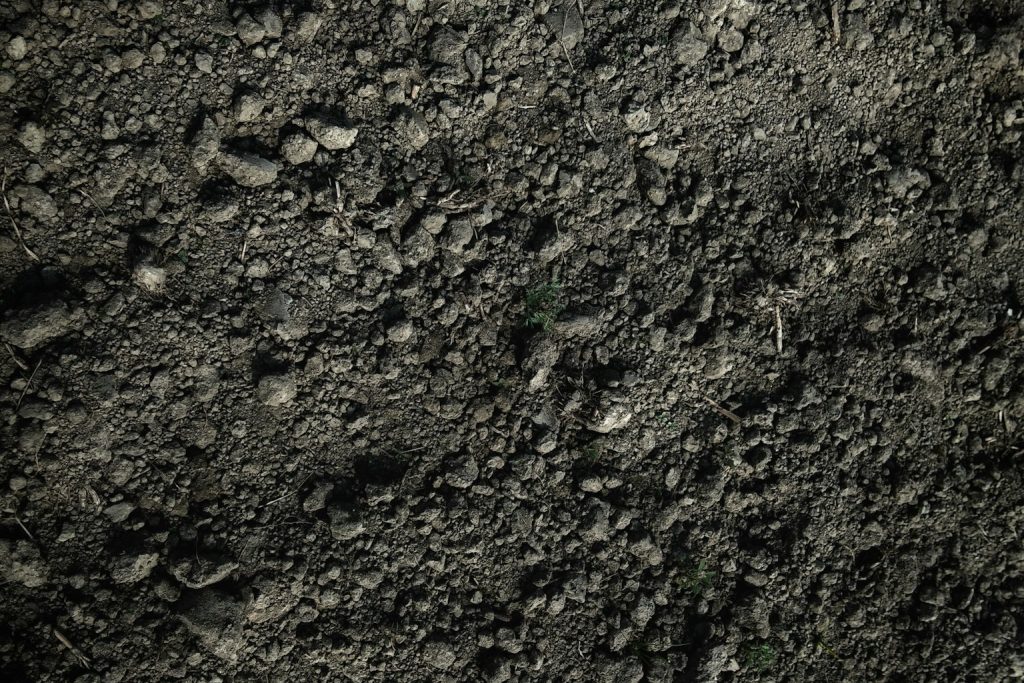
One thing worth repeating here: clean fill is raw, unscreened material straight out of the ground. It hasn’t been sieved or washed. So finding the odd bit of brick, a fragment of concrete, or a root or scrap of timber mixed through a load is completely normal. That’s the nature of taking material that hasn’t been processed. What you’re actually watching for is a load that’s saturated with foreign material, or shows real signs of contamination. A stray brick is not a reason to knock back a free load; a load that reeks of fuel or looks like it’s come off a dodgy site is.
For the more technical distinctions (VENM, ENM, and what separates genuinely clean fill from contaminated material in regulatory terms), we’ve covered that in detail in Clean Fill vs Contaminated Fill vs VENM vs ENM.
So Which One Do You Actually Need?
- Levelling a block, building up low ground, garden beds, non-structural landscaping: general fill, and it should be clean.
- A driveway base, a shed pad, or anywhere with some load expectation but no engineering sign-off: select fill.
- Footings, slabs, retaining walls, anything load-bearing: structural fill, which is specified and engineered, not something sourced as free clean fill.
If you’re a tip site wondering what you’re being offered, ask the contractor what the material actually is and where it’s come from. Most of what moves as free fill between contractors and landowners is general fill. It’s perfectly good for building up land, levelling a block, or filling in a low spot, and it costs nothing to receive.
Why This Matters for Tip Sites
Knowing the difference means you can say yes to the right loads with confidence. A contractor offering general clean fill to level your paddock or build up a low corner of your block is offering you something genuinely useful, for free. They save on tipping fees, and you get material you’d otherwise have to pay to bring in. There’s no catch, and you don’t need to charge for it; the saving on both sides is the whole point.
Got land that could take clean fill? List your tip site on ReadyFill and get matched with contractors near you. Follow ReadyFill on Facebook for updates and free-fill opportunities.