
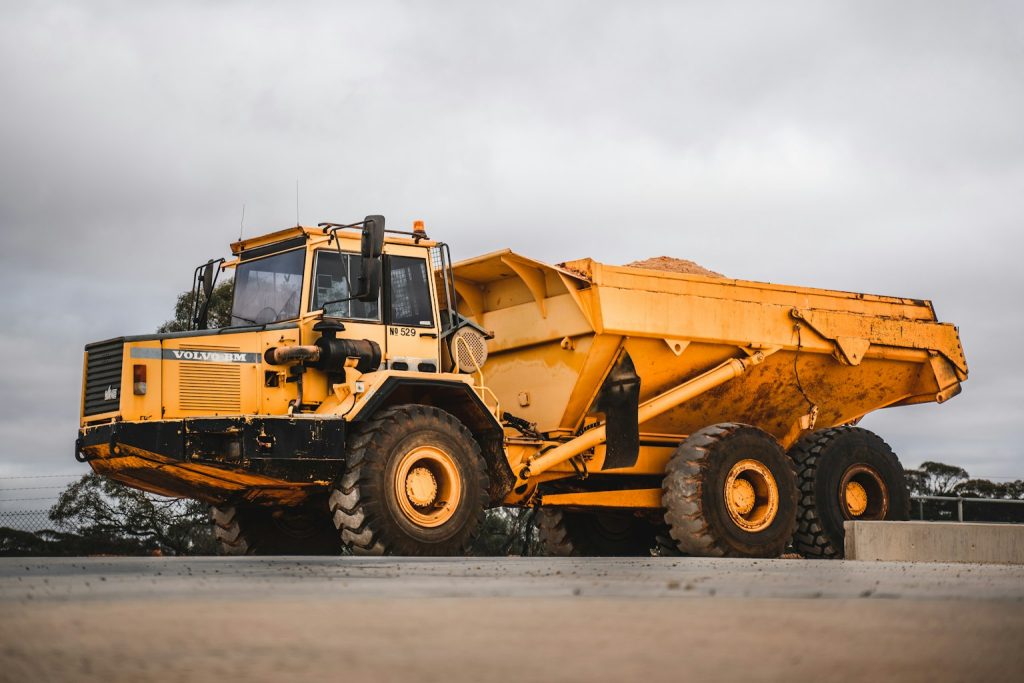
The True Cost of Driving Fill to the Tip — and How to Avoid It
If you’ve ever had a load of dirt to get rid of, you already know the drill: load it up, drive it to the tip, pay to dump it, then drive back. It feels like a simple cost — the tip fee — but the real bill is much bigger than the docket they hand you at the gate.
For contractors and earthworks crews, getting rid of clean fill is one of those jobs that quietly eats into the day and the budget. The good news is that most of that cost is avoidable. The fill you’re paying to dump is often exactly what someone nearby is crying out for — and getting it there directly can save both of you money.
The tip fee is only the start
The gate fee at a tip site is the part everyone notices, because it’s the bit you physically hand over. But it’s usually the smallest piece of the puzzle. The bigger costs are the ones that don’t show up on a receipt — the fuel, the hours, and the wear on your gear from driving fill further than it needs to go.
When you add it all up, moving a load of clean fill the wrong way can cost far more than the dumping charge by itself. And clean fill — plain dirt, sand, gravel or soil with no rubbish in it — is the very thing many landowners want for free. Paying to throw away something valuable is the kind of cost that’s easy to miss until you look at the whole job.
The hidden costs of cartage
Cartage is the silent profit-killer. Every extra kilometre between your site and where the fill ends up is fuel burnt, time lost, and one more trip your truck and driver could have spent on paid work. Here’s where the money quietly disappears:
- Fuel — the further the haul, the more diesel you burn, and that adds up fast across a job.
- Driver time — hours spent on the road are hours not spent doing the work you’re actually being paid for.
- Truck wear — tyres, servicing and general wear and tear all climb with the distance travelled.
- Lost trips — a truck stuck in a long round-trip to a far-off tip is a truck not available for the next load.
None of these land on a single invoice, which is exactly why they’re so easy to overlook. But they’re real money, and they come straight out of your margin on the job.
Time is the cost you can’t get back
On a busy site, time is everything. A tip site 40 minutes away instead of 10 doesn’t just cost fuel — it ties up a truck and a driver for an extra hour or more, every single trip. Multiply that across a full day of cartage and you’ve lost a serious chunk of productive time.
That lost time has knock-on effects. Jobs run later, crews wait around, and you either eat the cost or pass it on to the client — which makes your quotes less competitive. Finding a closer tip site is one of the simplest ways to claw back hours you didn’t know you were losing.
Why this problem has been so hard to solve
The reason contractors keep wearing these costs is simple: there’s never really been a proper system for the fill side of the industry. If you’ve got a load to move, finding somewhere nearby to take it has always been a matter of phone calls, word of mouth, or just defaulting to the tip you’ve always used — even if it’s miles away.
That gap is exactly where middlemen and fill-contracting services step in. They make money from the fact that the two sides — people with fill and people who want it — can’t easily find each other. They profit from the gap rather than closing it, and that extra layer pushes everyone’s costs up. The fill still has to move; you just end up paying more for it to happen.
How a nearby tip site changes the maths
This is the part that catches people out: clean fill is wanted. Plenty of landowners need it to level a paddock, fill a low spot, or build up a pad — and they’re happy to take it for free because it saves them buying it in. So when you connect directly with a nearby site, the maths flips in your favour:
- The haul is shorter, so fuel and time drop straight away.
- There’s often no dumping fee at all, because the landowner actually wants the material.
- The truck gets back on the job faster, so you fit more paid work into the day.
- No middleman is skimming a cut for simply making the introduction.
Everyone genuinely comes out ahead. You save on cartage and fees, the landowner gets the fill they wanted without paying for it, and the material moves the short way instead of the long way. That’s the whole idea.
Finding the short way with ReadyFill
ReadyFill exists to close that gap directly. You post that you’ve got clean fill to move, it matches you with nearby sites that want it based on location and material type, and you deal with each other directly — no middleman taking a slice, no broadcasting your details to the world. It’s a simple, streamlined way to make sure your fill travels the short distance instead of the expensive long one.
And with the SEQ construction decade and the Brisbane 2032 Olympics ramping up demand for both fill and somewhere to put it, getting into the habit of moving fill the smart way now will pay off for years to come.
If you’re tired of paying to drive clean fill the long way round, give ReadyFill a go — post what you’ve got, find a tip site nearby, and keep more of your margin where it belongs. Follow us and get in touch via ReadyFill on Facebook.