
Cut and Fill 101: Reusing the Material Already on Your Site
“Cut and fill” is one of those phrases you hear on every earthworks job, but if you’re newer to the game it can sound more technical than it really is. At its heart it’s a simple idea: use the dirt you dig out of the high parts of a site to build up the low parts. Done well, it saves you from carting material away and buying more back in.
This is a plain-English rundown of how cut and fill works, why balancing it matters to your bottom line, and what to do when the numbers don’t quite add up.
What cut and fill actually means
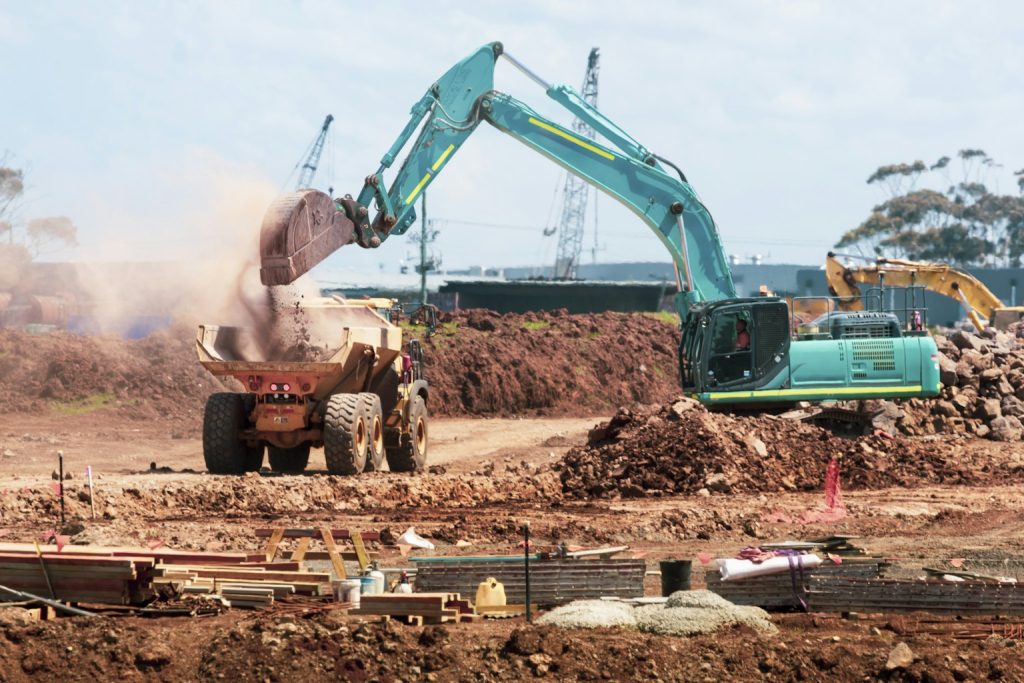
Every site has high spots and low spots. To get a level building pad, a road base or a usable yard, you usually need to take material off the high areas and add it to the low areas. The bit you dig out is the “cut”. The bit you build up is the “fill”. The goal on most jobs is to move that dirt around the site so the cut and the fill roughly cancel each other out.
When they balance, you’ve got the perfect outcome: no material leaves site, nothing has to be trucked in, and you’ve shaped the ground using only what was already there.
Why balancing it saves real money
The dirt you don’t have to move is the cheapest dirt on the job. Every load you cart off site costs you tip fees and truck time. Every load you bring in costs you the price of the material plus cartage. A site that’s well balanced avoids both. That’s why experienced operators plan their levels with cut and fill in mind from the start — it’s one of the biggest cost levers on the whole job.
So before anything moves, it’s worth working out roughly how much you’ll cut and how much you’ll need to fill. Even a rough estimate tells you whether you’re going to end up with leftover dirt or come up short.
A few practical tips for balancing on site
- Plan your levels early. Small changes to a finished surface level can swing you from balanced to badly short, or leave you with a mountain of spoil.
- Keep clean fill clean. Don’t let good natural material get mixed with rubbish or building waste — keep it separate so it stays reusable.
- Fill in layers and compact. Material placed and compacted properly won’t slump later. Dumping it in one go and hoping is how you get problems down the track.
- Stockpile what you’ll need. If you’ll need fill later in the job, set it aside rather than carting it off and buying more back in.
When you end up with excess
Even with good planning, plenty of jobs leave you with more material than the site can use. That’s not a problem — it’s an opportunity. Clean excess fill is exactly what a lot of landowners nearby are looking for, whether it’s to fill a dam, raise a paddock or build up a pad. Instead of paying a tip to take it, you can place it directly with someone who wants it, for free. You save the gate fee, they save buying fill, and the dirt simply moves to where it’s needed.
When you come up short
The flip side is just as common: you need more fill than the site gives you. The usual answer is to buy it in, but clean fill is being dug out of sites all around you every day, and a lot of those contractors are paying to get rid of it. If you can connect with one of them, you can often bring in the fill you need at little or no cost — and save them a tip fee at the same time. Both sides win.
Skip the middleman, connect directly
The catch has always been finding the right match at the right time — someone nearby with a surplus exactly when you’ve got a shortfall, or vice versa. For years the only options were word of mouth or a fill contracting service that takes a cut just for linking the two sides up. That middleman margin comes straight out of your job, and it exists because there was never a proper system for this side of the industry.
ReadyFill is that system. You post whether you’ve got excess clean fill or you need some, and it matches you directly with contractors and landowners nearby — no middleman taking a slice. The process is simple, the people are verified, and your details stay safe until you choose to connect. With South East Queensland heading into a busy construction decade ahead of the Brisbane 2032 Olympics, more fill will be moving than ever, and balancing your jobs the smart way will matter more than it ever has.
Whether your job leaves you with leftover fill or short of it, ReadyFill connects you directly with the contractors and landowners nearby who have what you need — no middleman, no fuss. Come and find your match, and follow us on ReadyFill on Facebook.