
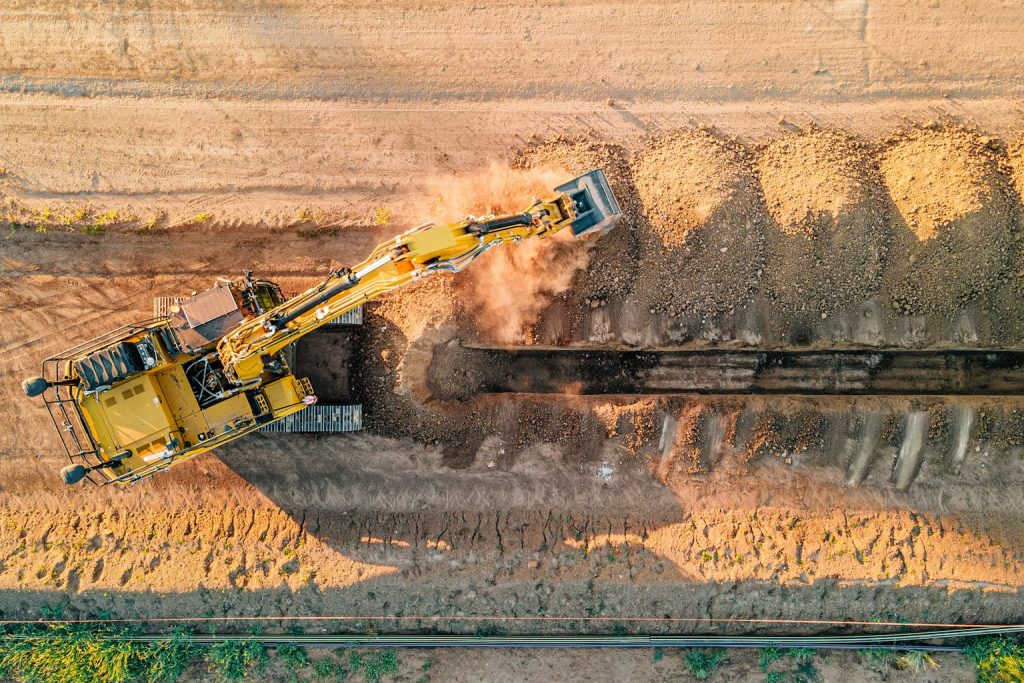
Where Does Clean Fill Actually Come From? The Jobs Behind the Dirt
You’ve Said You’ll Take Fill. But Where’s It Actually Coming From?
If you’ve put your hand up to receive clean fill, you’ve probably had this thought: a bloke wants to bring dirt onto my land for free — but where has this dirt actually been? It’s a fair question. Understanding what kind of job produces the fill heading your way makes the whole thing feel a lot less like a mystery truckload turning up at your gate, and a lot more like a straightforward exchange between two people who both come out ahead.
Here’s a plain look at where clean fill actually comes from, and why so much of it is sitting around waiting for somewhere to go.
The Everyday Jobs That Produce Clean Fill
Clean fill isn’t some rare by-product — it’s generated constantly, all over every suburb, by ordinary jobs that have nothing to do with “fill” as their main purpose. The dirt is just what’s left over once the real job is done. Common sources include:
- Pool excavations — digging a hole for an inground pool typically removes a large volume of soil in one go, often somewhere in the range of 60–150 cubic metres for a standard family pool.
- House slabs and footings — levelling a block before a new home or extension goes up means cutting into high ground, which has to go somewhere.
- Driveways and retaining walls — reshaping a sloped block for a driveway, patio or retaining structure produces smaller but steady amounts of spoil.
- Granny flats, sheds and garages — even a modest slab or footing job shifts a surprising amount of soil once you add it up.
- Stormwater and drainage works — trenching for pipes, pits and drainage lines produces long, narrow strips of excavated material.
- Subdivision and bulk earthworks — new estates and larger developments generate fill on a much bigger scale, often needing somewhere to send hundreds or thousands of cubic metres.
Every one of these jobs happens because someone is building something — not because anyone set out to “produce fill.” The dirt is a side effect of construction, and once it’s out of the ground, it needs somewhere to go.
Why It’s Genuinely Clean (With the Occasional Bit Mixed Through)
Because this material comes straight out of the ground on an active job site, it’s raw and unscreened — it hasn’t been through a wash plant or a sieve. That means a stray bit of brick, a lump of old concrete, or a scrap of root or timber turning up in a load is completely normal. It’s not a sign of a dodgy load; it’s just the nature of excavated material that hasn’t been processed.
What actually matters is the difference between that kind of normal, incidental material and genuine contamination — things like chemical residue, fuel, asbestos, or soil that’s come from a site with a known contamination history. A load scattered with the odd fragment is ordinary. A load saturated with foreign material, or showing any sign of the issues above, is the one to knock back. Knowing which job a load came from gives you a head start on knowing what to expect before it even arrives.
Why the Contractor Wants It Gone — For Free
Here’s the part that surprises a lot of people new to this: the contractor isn’t looking to sell you their dirt. They’re looking to get rid of it as cheaply as possible, and a tip site that will take it for free is the best outcome they can get. Every load that goes to a paid tip costs them money in fees and time. Every load that goes to a nearby tip site for free saves them both. There’s no reason for a tip site to charge for taking it — the contractor is already saving money simply by not driving to a paid facility, and you’re getting useful material for your land at no cost either way. Both sides win, and nobody needs to pay anybody.
What This Means for You as a Tip Site
Knowing the source of a load gives you a useful head start:
- A pool dig or house slab job is usually clean, consistent material with a known origin.
- Subdivision-scale earthworks can mean a lot of material arriving over weeks, so it’s worth asking about volume and timing upfront.
- Whatever the source, it’s worth asking the contractor a few plain questions — what job it’s from, and whether they can confirm there’s nothing untoward mixed through it.
This is exactly why dealing with a verified contractor matters. When you know who you’re dealing with and what job the material has come from, you’re not taking a blind punt on a mystery load — you’re making an informed decision about material you understand.
Why This Matters More Than Ever Right Now
Every one of these jobs — pools, slabs, driveways, subdivisions — is only becoming more common across South East Queensland as the region builds towards the 2032 Olympics. More construction means more excavation, which means more clean fill looking for somewhere useful to go. Tip sites who understand where this material comes from, and how to receive it sensibly, are in a strong position to benefit from that growth for free — while contractors get a straightforward, low-cost way to move on to their next job.
Got land that could take clean fill? List your tip site on ReadyFill and get matched with contractors near you — for free. Follow ReadyFill on Facebook for updates and free-fill opportunities.