
How to Tell If the Fill You’re Offered Is Actually Clean (Before It Hits Your Land)
If you’ve offered up your land to receive fill, the single most important thing is that the material turning up is actually clean. Get a load of genuine clean fill and your block ends up better off for free. Get a load with rubbish or contaminated soil mixed through it and you’ve got a problem buried on your land that can be expensive and unpleasant to deal with.
This guide walks you through, in plain terms, how to tell whether the fill you’re being offered is the real deal before it ever hits your land. It’s not legal advice, just sensible checks any landowner can do.
What “clean fill” actually means
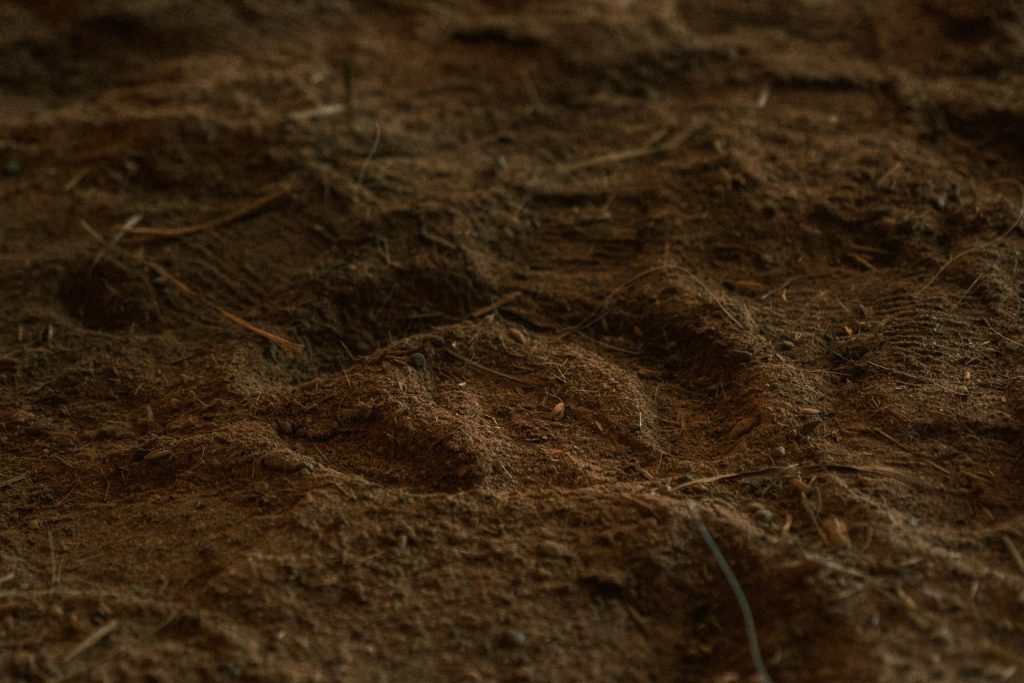
Clean fill is natural earth material and nothing else. Think soil, sand, gravel, clay and rock that’s come straight out of the ground. What makes it clean is what’s not in it: no bricks, concrete or building rubble, no timber or green waste, no plastic, no asbestos, no oil or chemicals, and no soil that’s been contaminated by past industrial use.
The reason this matters so much is that once dodgy material is tipped and spread on your block, it’s mixed in. Sorting it back out is a nightmare. So the time to be careful is before the truck arrives, not after.
Expect the odd bit — it’s raw, unscreened material
It’s worth being realistic about what free fill actually is. This is raw, unscreened material coming straight out of the ground — it hasn’t been sieved, washed or processed. Because of that, it’s completely normal to find the odd bit of unnatural material mixed through it: a stray piece of brick, a fragment of concrete, or a bit of root or timber here and there. That on its own isn’t a dealbreaker — it’s simply the nature of receiving raw material for free.
What you’re really watching for is a load that’s saturated with that sort of thing, or anything that points to genuine contamination — chemicals, fuel, asbestos, or soil from a dodgy site. A few bits and bobs scattered through an otherwise good load of dirt and rock is expected and fine. A load that’s more rubble and rubbish than soil is a different story, and that’s the one to turn away.
Simple checks you can do yourself
You don’t need to be an expert to spot obvious warning signs. A few straightforward checks go a long way:
- Ask where the material came from. Clean fill from a straightforward dig — a house pad, a pool, a dam — is usually a good sign. Be more cautious about soil from old industrial or commercial sites.
- Have a look at it before it’s spread. Good clean fill looks like, well, dirt and rock. If you can see bits of concrete, brick, timber, plastic or rubbish, that’s a red flag.
- Use your nose. Natural soil smells like soil. A chemical, fuel or sour smell is a reason to stop and ask questions.
- Watch the colour and consistency. Odd staining, strange colours or a greasy texture are worth questioning before you accept the load.
- Don’t feel pressured. If someone’s in a big hurry to dump and won’t answer simple questions, that on its own tells you something.
Questions worth asking before you say yes
A short conversation up front saves a lot of grief. Before agreeing to take a load, it’s fair to ask:
- What’s the material and where exactly was it dug from?
- Is it natural soil, sand and rock only, with no building waste or rubbish mixed in?
- Has the site it came from ever been used for anything that might have contaminated the soil?
- Can the contractor confirm in plain terms that it’s clean fill?
A genuine operator won’t mind these questions at all. They want their material to land somewhere happily as much as you want clean material. Hesitation or vague answers are your cue to slow down.
Why the source matters as much as the soil
Here’s the thing a lot of newcomers miss: the quality of the fill is closely tied to who you’re dealing with. A reputable contractor running a clean job has every reason to give you straight answers, because their reputation rides on it. Someone you’ve never heard of, who found you through a random ad, has far less to lose if the load isn’t quite what they said.
This is a big reason it pays to deal through a proper system rather than taking your chances with strangers. There was never really a sensible way to do this for our side of the industry — until ReadyFill came along.
How ReadyFill lowers the risk
ReadyFill connects you with verified contractors, so you’re not dealing with a complete unknown turning up at your gate. Because everything runs through one streamlined process, both sides have an interest in keeping things straight and honest. Your details stay safe, the connection is direct, and there’s no middleman taking a cut and muddying the picture.
It also means the right loads find the right blocks. A contractor with genuine clean fill gets matched with a landowner who actually wants it, the material moves directly, and both sides come out ahead. The contractor saves on disposal, you get free clean fill, and nobody’s paying a fee they didn’t need to pay.
A sensible rule of thumb
If anything feels off — the answers, the smell, the look of the load, the rush — you’re allowed to say no. It’s your land. A good contractor will respect that and a dodgy one will move on. As a general rule, take clean fill only from people who can tell you plainly what it is and where it came from, and you’ll avoid almost all the trouble.
Receiving free clean fill is one of the easiest wins a landowner can get. The only catch is making sure it’s genuinely clean, and a few simple checks plus the right contractor handle that for you.
Want clean fill from contractors you can actually trust? List your site free on ReadyFill and get matched with verified operators near you — direct, simple, and no middleman in the way. Follow along at ReadyFill on Facebook.