
What Is Select Fill?
A contractor rings about dropping off fill, and somewhere in the conversation they mention it’s “select fill.” If you’ve never heard the term before, it’s a fair question to ask: is that just a fancy name for dirt, or does it actually mean something different to what you’d normally take on your land? The answer matters, because it changes what you can expect to receive, and whether it’s likely to be free.
What “select fill” actually means
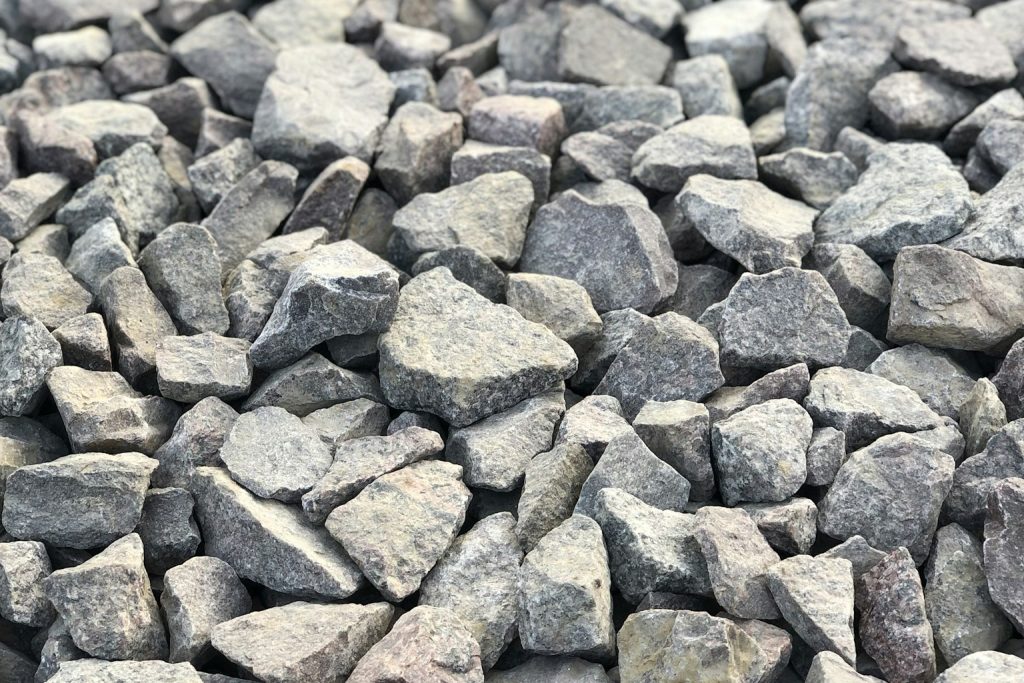
Select fill is fill material that has been deliberately chosen, or processed, to have more consistent properties than whatever comes straight out of the ground. Instead of a mixed load of clay, topsoil, rock and whatever else was dug up on site, select fill has usually been screened or graded so the particle sizes are more even and the clay content is lower.
That consistency matters for one main reason: compaction. Fill that compacts evenly and predictably is what you want under a building pad, a driveway, or anywhere else that needs to bear weight and not move around later. Raw, unscreened dirt can compact unevenly (a pocket of clay here, a patch of loose sand there), which is exactly the kind of thing an engineer or builder wants to avoid.
How it’s different from general fill and structural fill
It helps to think of fill as sitting on a rough spectrum:
- General fill is ordinary clean fill dug up from a site: dirt, clay, sand, maybe some sandstone or shale mixed through. No special processing, no guarantee of consistency. This is the bulk of what moves around through free-fill arrangements, and it’s perfectly good for building up low ground, filling holes, or levelling a block where nothing is going to be built on top.
- Select fill is fill that’s been screened or selected for more even properties, typically lower clay content and a more predictable mix of particle sizes. Used where some compaction performance is expected, like under a shed slab, a driveway, or backfill around a structure.
- Structural fill is fill placed and compacted to an engineered specification, often with compaction testing signed off by a geotechnical engineer. This is for anywhere load-bearing matters most, like footings or retaining structures.
The further along that list you go, the more work has gone into the material and the placement, and the less likely it is to simply be given away for free, because someone has put genuine processing or testing into it.
When a job actually calls for select fill
Most of the time, a builder or contractor will specify select fill when the finished surface needs to carry weight or hold its shape reliably, such as a shed base, a carport slab, a driveway, or backfill against a retaining wall. If the plans or an engineer’s report mention compaction levels or a specific fill standard, that’s usually your cue that general clean fill won’t cut it for that particular spot.
But if you’re a landowner or tip site, this is the part worth remembering: most of what you’ll be offered through everyday fill arrangements is general fill, not select fill, and that’s exactly what you want for the majority of jobs a typical property owner has in mind. Levelling a low corner of the yard, building up a soft patch, filling in an old dam or hole. None of that calls for screened, graded material. Plain clean fill does the job, and it’s the type that’s genuinely free and plentiful.
A word on what “clean” free fill actually looks like
Because free fill is raw and unscreened, don’t expect it to arrive looking like something off a landscaping supplier’s shelf. A stray bit of broken brick, a chunk of old concrete, or a bit of root or timber mixed through a load is normal, because that’s simply the nature of material that hasn’t been through a screening plant. You’re checking for contamination, not perfection: no chemical smell, no fuel staining, no sign the soil came from a dodgy site, and no load that’s genuinely swamped with foreign material rather than just carrying the odd bit through it.
Why this matters if you’re thinking about accepting fill
Understanding the difference means you won’t be caught out either way. If a contractor turns up and casually mentions “select fill,” you’ll know to ask what it’s being used for and whether that changes what you should expect. And if you’re simply after material to build up or level land, you now know you don’t need to hold out for anything fancier than plain, clean general fill, which is the type most readily available for free.
This is also where a lot of confusion (and a lot of wasted money) creeps into the fill industry. Someone ends up paying for “select” or “processed” material when general fill would have done the job just as well, simply because nobody explained the difference. The more tip sites and landowners understand these basics, the harder it is for anyone to charge for something that should have cost nothing.
Where ReadyFill fits in
ReadyFill exists to connect people who have general clean fill with landowners who can take it directly, without a middleman charging either side for the introduction. Contractors save on tipping fees, tip sites get free material to build up or level their land, and the whole thing happens without anyone paying for access to what was always going to be free fill anyway.
Got land that could take clean fill? List your tip site on ReadyFill and get matched with contractors near you. It’s free. Follow ReadyFill on Facebook for updates and free-fill opportunities.