
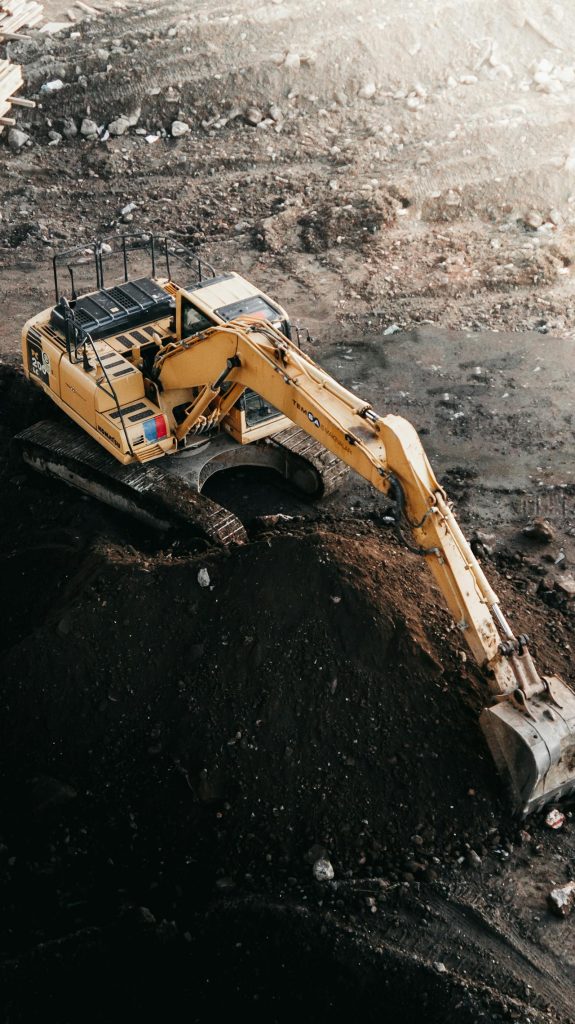
What Is Clean Fill Material? (And What to Check Before You Accept Any)
Clean fill is inert soil, clay, rock, sand, or gravel that contains no contaminants — no chemicals, asbestos, building waste, or organic material that will decompose. It is the standard material exchanged between excavation sites and tip sites in Australia, and it is safe to use in most earthworks applications without restriction.
Understanding what clean fill is — and what it is not — matters before you accept any free material on your property. Accepting contaminated fill can create a serious legal and financial liability that is expensive to remediate.
What counts as clean fill?
Clean fill is typically defined as virgin excavated natural material (VENM) or excavated natural material (ENM) under Australian environmental guidelines. The key characteristic is that it is inert — it will not leach chemicals into surrounding soil or groundwater.
| Is Clean Fill | Is NOT Clean Fill |
|---|---|
| Subsoil and clay | Fill containing asbestos fibres |
| Clean sand and gravel | Fill with hydrocarbon contamination (oil, fuel) |
| Inert rock and rubble | Building waste (bricks, concrete with reinforcement) |
| Road base (uncontaminated) | Fill with pesticide or herbicide residue |
| Topsoil (from unpolluted areas) | Material containing organic waste |
Why does clean fill matter?
If you accept contaminated fill on your property, the contamination becomes your problem — not the excavator’s. In most Australian states, the landowner is responsible for any contamination found on their property, even if they received it in good faith from a third party.
Remediation of contaminated soil can cost $50,000–$500,000 or more depending on the type of contamination and the volume involved. This is why knowing what you are accepting is critical before agreeing to take any fill material.
How to check if fill is clean before accepting it
- Ask the source: Ask the excavator directly where the material came from and whether there has been any industrial use of the land. Residential excavations from houses built after 1990 are typically low-risk.
- Look at the material: Clean fill is uniform in colour and texture — it should look like natural soil, clay, or rock. Unusual colours (dark staining, rainbow sheen), odours, or mixed-in debris are warning signs.
- Request a soil test: For large volumes or sensitive applications (near waterways, vegetable gardens, or children’s play areas), commission a basic soil test. Testing through an NATA-accredited lab typically costs $150–$400.
- Check the site history: If the material comes from a commercial or industrial site, check whether that site has any history of fuel storage, chemical use, or contamination notices with your state EPA.
Acceptable uses for clean fill
- Levelling and filling residential blocks
- Building dam walls and embankments (clean clay)
- Road base and driveway sub-base
- Raising lawns and garden areas
- Filling gullies and drainage low spots
- Building pads and hardstand areas
Clean fill regulations in Australia
Each Australian state has its own definition and regulations around fill material. Key references:
- Queensland: The Environmental Protection Act 1994 and the Department of Environment guidelines define VENM and acceptable fill categories.
- New South Wales: The EPA’s Resource Recovery Exemptions under the POEO Act set out when excavated material can be moved and used without a licence.
- Victoria: The EPA Victoria guidelines on clean fill and VENM apply under the Environment Protection Act 2017.
- South Australia: EPA SA guidelines under the Environment Protection Act 1993 govern fill disposal and use.
Frequently asked questions about clean fill
Is all free fill clean fill?
Not necessarily. When you find free fill through a listing app like ReadyFill, it is your responsibility to confirm the material type with the lister. Most residential and light commercial excavations produce clean fill, but always ask.
Can I use clean fill in a vegetable garden?
Only if it is topsoil — not subsoil clay. Most free fill is subsoil, which lacks the nutrients and structure needed for food growing. Use clean subsoil fill for raising the ground level beneath a vegetable garden, then top with quality garden soil.
Does clean fill need testing?
For general fill applications (levelling a paddock, building a dam) with material from a known residential source, testing is not usually required. For fills near waterways, under food gardens, or in large commercial quantities, testing is strongly recommended.
Where can I find clean fill near me?
Browse active free fill listings on ReadyFill and filter by material type. Contact the lister directly to confirm it is clean fill before arranging collection.