
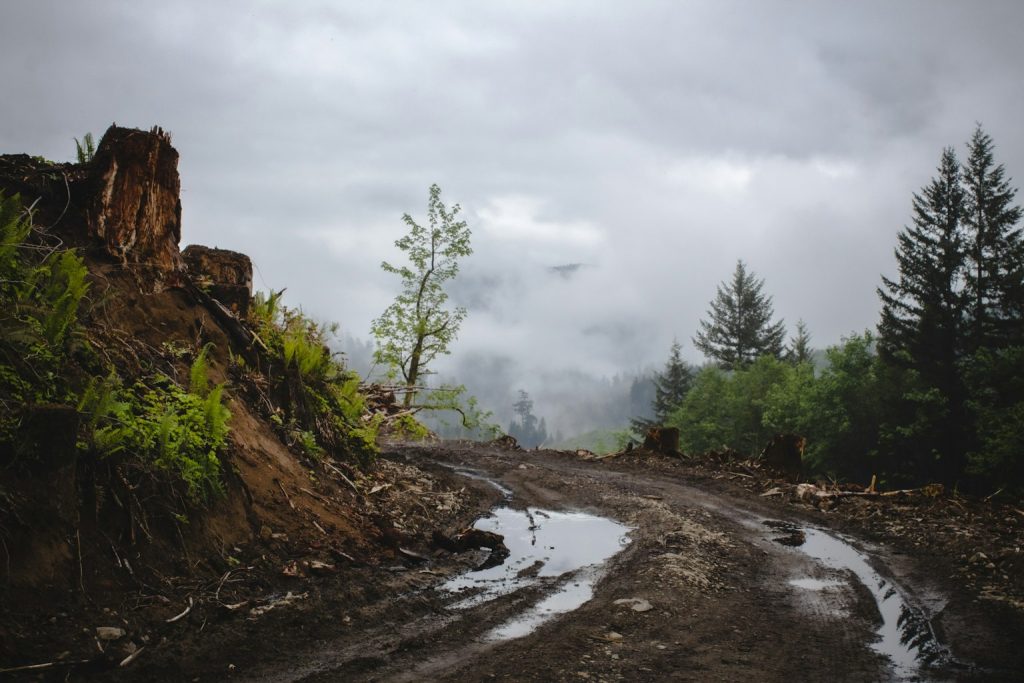
Timing Is Everything: Why Wet Weather Changes How Free Fill Moves
The Rain Nobody Warned You About
You’ve said yes. A contractor’s got clean fill, your low corner needs building up, and a truck is booked in for next week. Then it rains for four days straight. The truck doesn’t show, the contractor goes quiet, and you’re left wondering if the deal’s fallen through or if you did something wrong.
You didn’t do anything wrong. Weather is the single biggest reason free fill deliveries get delayed, rescheduled, or quietly dropped altogether — and almost nobody explains why upfront. If you understand how wet and dry conditions actually affect a fill delivery, you can plan around it instead of being caught out by it.
Why a Bit of Rain Changes Everything
A loaded tipper or truck-and-dog can weigh many tonnes. On firm, dry ground that’s not a problem — the weight spreads out and the truck drives in, tips, and drives out. On wet ground, that same weight can punch straight through the surface. The result is a bogged truck, torn-up access tracks, and a contractor who’s now spending their afternoon pulling a truck out of the mud instead of moving more fill.
That’s expensive and stressful for the contractor, and it’s exactly the outcome they’re trying to avoid by finding you a free tip site in the first place. So when the forecast turns bad, most contractors will simply hold off rather than risk it — not because your site isn’t wanted, but because the ground can’t safely take a loaded truck that day.
Dry Spells Aren’t Always Better Either
It’s not just about avoiding the wet. Extended dry periods bring their own headaches — dust, harder ground that’s trickier to spread material over evenly, and in some regions, local dust or fire restrictions that affect when heavy vehicles can operate on unsealed tracks. The point isn’t that one season is good and the other bad. It’s that timing genuinely affects whether a delivery goes smoothly, and it’s worth thinking about before you commit to a date.
What a Tip Site Can Actually Do About It
You can’t control the weather, but you can make your site more forgiving of it. A few practical things that help:
- Pick a firm drop zone, not just a convenient one. If your block has one patch of ground that stays solid regardless of rain — near a driveway, on a slight rise, over old hardstand — favour that spot over a low, soft area even if it’s a bit further from where you ultimately want the fill.
- Stay flexible on dates. A tip site that says “any day this fortnight works” gives a contractor far more room to slot the delivery in around good weather than one that insists on a single fixed day.
- Keep the access track itself in mind. The paddock might be fine but if the track getting there turns to soup after rain, that’s the part that actually stops the truck. A load of gravel or rubble on a regularly used access track can pay for itself many times over.
- Communicate early, not on the day. A quick message a day or two out — “still looking okay for Thursday?” — lets both sides adjust before a truck is already on the road.
Why This Matters More in South East Queensland Right Now
Fill demand across South East Queensland isn’t slowing down, and it’s set to keep climbing as Brisbane 2032 Olympic-related construction ramps up over the coming years. More building sites means more contractors with excess clean fill looking for somewhere free to send it. Tip sites that are genuinely easy to work with — including being upfront about ground conditions and flexible on timing — are the ones that get first pick of the loads on offer. The sites that insist on rigid dates regardless of weather simply get passed over in favour of an easier option.
Where a Direct Connection Beats Guesswork
This is one of the quieter benefits of connecting with a contractor directly rather than chasing loads through word of mouth or old Facebook threads. When you can message a verified contractor straight away — confirm the weather, agree on a flexible window, sort out access — you avoid the wasted trips and crossed wires that come from vague arrangements. It’s a small thing, but it’s exactly the kind of practical friction that a proper system removes, and it’s a big part of why so much fill has historically gone to landfill instead of a free tip site down the road: not because there weren’t takers, just because there was no simple way to line up the timing.
Got land that could take clean fill? List your tip site on ReadyFill and get matched with contractors near you — for free. Follow ReadyFill on Facebook for updates and free-fill opportunities.