
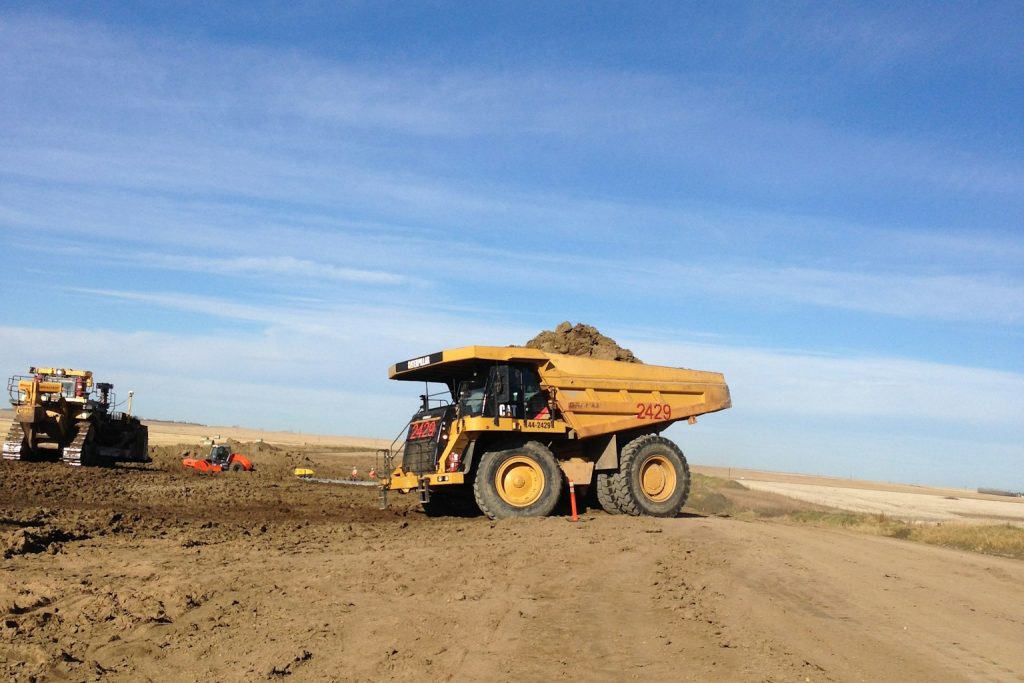
You’ve Said Yes to Free Fill — Now What? Getting Your Site Ready for Delivery Day
You’ve Said Yes to Free Fill — Now What?
So a contractor’s got in touch, you’ve agreed to take some clean fill, and a truck (or ten) is on its way. This is the part nobody talks about. Most of the advice out there covers whether to accept fill and how to check it’s clean — but almost nothing covers the actual day the trucks turn up. Get this bit wrong and a great free deal turns into a headache. Get it right and it’s genuinely the easiest money-saving decision you’ll make on your property.
Here’s a plain-English rundown of what to sort out before the first truck arrives, so the delivery goes smoothly for you and the contractor.
Work Out Where the Fill Is Actually Going
Before anyone shows up, walk the site and decide exactly where you want the material dropped. Not “somewhere over there” — an actual spot, ideally marked with a star picket, a witches hat, or even just a bucket the driver can see from the gate.
Think about:
- Ground firmness — a loaded truck is heavy. Soft, wet, or boggy ground can bog a truck axle-deep, which is a bad day for everyone. If in doubt, pick a firmer spot even if it’s not your first choice.
- Slope and drainage — fill dumped at the top of a slope can wash downhill in heavy rain before it’s spread. Think about where water naturally runs on your block and avoid blocking it.
- Room to tip and turn — most trucks need a reasonably wide, flat area to reverse and tip safely. If your access is tight, say so upfront — the contractor may prefer a different vehicle or a different spot.
Sort Out Access Before the Truck Is Sitting in Your Driveway
This is the single biggest cause of a delivery going sideways. A truck that can’t get in, can’t turn around, or gets stuck under a low branch has just wasted a trip — and possibly cost the contractor money they were trying to save in the first place.
Before the day:
- Check gate widths against a standard tipper or truck-and-dog (ask the contractor what they’re sending if you’re not sure).
- Clear low branches, loose fencing, or anything overhanging the access track.
- If there’s a locked gate, work out who’s opening it and when — don’t leave a driver waiting on the road with a full load.
- Let the contractor know about anything unusual — steep driveways, narrow bridges, soft verges — before they’ve committed a truck to the job, not after it’s stuck.
Think About Timing — Weather Matters More Than You’d Expect
Clean fill and wet weather don’t mix well. A dry, firm site can turn to mud within an hour of solid rain, and a truck that would’ve driven in and out easily on Monday might not stand a chance on Wednesday after a downpour.
If you can, agree on a rough delivery window rather than a fixed date, and stay flexible if rain is forecast. Most contractors would rather push a delivery back a day than risk a bogged truck — it costs them far more than the wait does. A quick message the morning of a delivery (“still right to come today?”) avoids most of these problems entirely.
Someone Needs to Be Around — Even Briefly
You don’t need to stand there for the whole delivery, but having someone available for the first load makes a real difference. It means:
- The driver can be shown exactly where to tip, rather than guessing.
- You can have a quick look at what’s coming off the truck before it’s buried under the next load.
- Any last-minute access issues get sorted on the spot instead of by phone.
After the first load or two, most tip sites are comfortable letting deliveries continue unattended, especially with a regular contractor. But that first look matters — it’s your easiest chance to confirm the material is what you agreed to, while it’s still one load instead of fifty.
Multiple Loads, Multiple Days? Keep It Simple
Bigger jobs might mean a steady stream of trucks over days or weeks rather than a single delivery. If that’s the case, agree upfront on roughly how much material is coming, roughly how it’ll be staged across your site, and a simple way to communicate if plans change — a phone number is usually all it takes. You’re not running a construction project; you’re just making sure the material lands where it’s useful to you, not in a pile you’ll spend a weekend moving with a bobcat.
Why This Matters for the Bigger Picture
None of this is complicated, but it’s exactly the kind of practical detail that gets lost when fill is arranged through word of mouth or a rushed phone call. A bit of upfront thinking about access, ground conditions, and timing is the difference between a delivery that saves everyone money and one that causes a headache nobody wants to repeat.
This is also part of why a proper system for connecting tip sites and contractors matters. When the connection is direct and clear from the start, these details get sorted before a truck ever leaves the depot — not worked out awkwardly in a driveway with an engine idling.
Got land that could take clean fill? List your tip site on ReadyFill and get matched with contractors near you — for free. Follow ReadyFill on Facebook for updates and free-fill opportunities.